


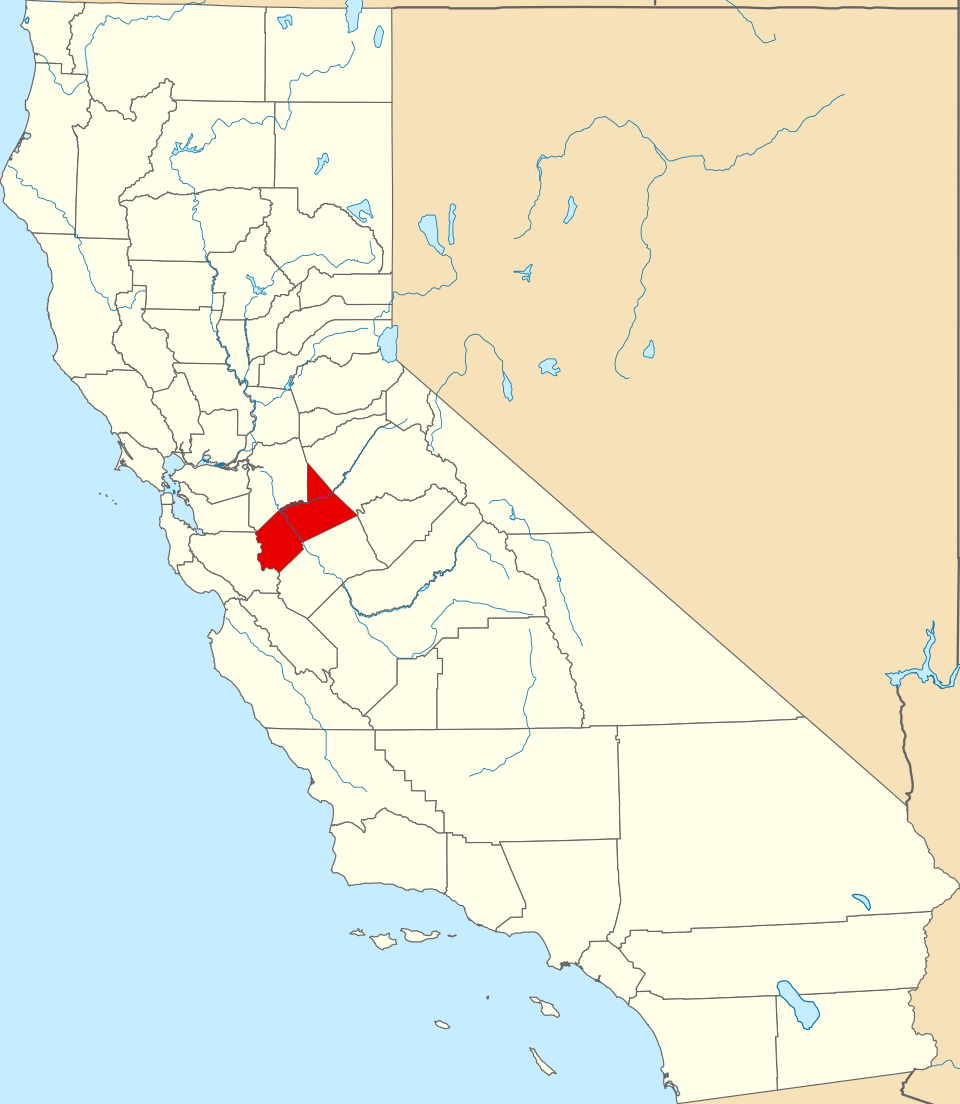
The Stanislaus County Health Services Agency (HSA) reported four cases of Clade 1 mpox this past week.
The California Department of Public Health (CDPH) has confirmed two of the cases as Clade I, while additional confirmatory testing is underway for the remaining two cases.
Three individuals reported no recent international travel, while travel history of the fourth individual is still being investigated. Historically, Clade I mpox cases in the U.S. were linked to international travel. However, since August 2026, more cases have been reported among people without recent international travel. This suggests the virus may now be spreading within U.S. communities.
“While we have identified four cases in our county, we want residents to know that the risk to the general public remains low,” said Dr. Thea Papasozomenos, Stanislaus County Public Health Officer. “Being aware of the symptoms, getting vaccinated if at risk of exposure to mpox, and seeking medical care when needed are important ways to protect yourself and prevent the spread of mpox.”
Mpox is an infection caused by the monkeypox virus. There are two types of mpox, clade I and clade II. Both types cause similar symptoms and can be prevented using the same methods.
Mpox mainly spreads through sex or close contact to a person who has mpox infection:
Sex (oral, anal, or vaginal)
Intimate physical contact such as cuddling or massages
Direct skin-to-skin contact with the rash, scabs, or body fluids that touched sores
Sharing a living space or personal items with someone who has mpox
Spread from a pregnant person with mpox to the fetus or baby
Casual contact, like one might have in an airplane, office, or store, is unlikely to spread mpox.
What are the symptoms of mpox?
After being exposed to mpox, it can take up to 21 days for symptoms to show. Mpox can start with symptoms such as:
Fever
Sore throat
Low energy
Swollen lymph nodes
Body aches
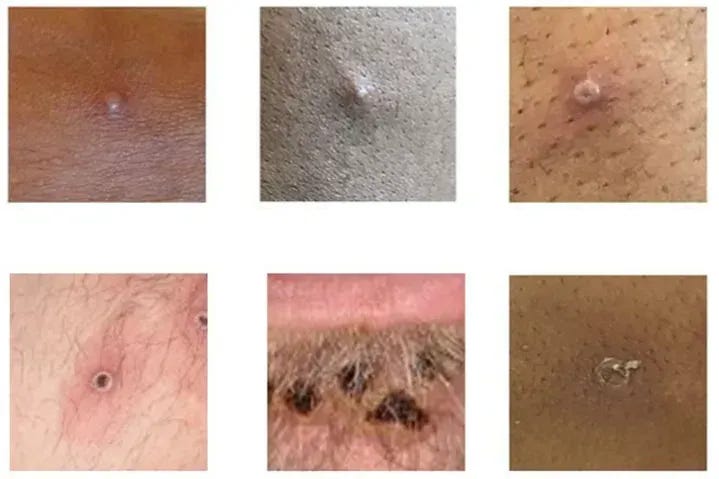
Within about 3 days, a rash or sore(s) develops.
It can look like a pimple or blisters and may feel painful or itchy.
The rash or sore(s) may be located anywhere on the body. This includes the genitals (penis, testicles, labia, and vagina) or anus (butt).
The sores go through several stages, including scabs, before healing. It may leave scarring.
See a health care provider if you have these symptoms.
How to avoid getting mpox?
Get vaccinated to protect yourself if you think you or your sex partners may be at risk for mpox. For the most protection, make sure you get both vaccine doses.
Talk to your sexual partner(s). Ask about recent illnesses, rashes, or recent international travel.
Mpox symptoms may not be obvious or visible at the time of exposure.
Having anonymous and/or multiple sex partners may increase your risk.
Condoms cannot always prevent mpox since the rash can occur on different parts of the body.
Do not share items with someone who has an unexplained rash. Avoid sharing items such as:
Towels or bedding
Sex toys or fetish gear
Toothbrushes
Dishware
Wash your hands often with soap and water or an alcohol-based hand sanitizer (at least 60% alcohol). This is especially important after intimate contact.
Be mindful of mpox symptoms. If you notice any new rashes or sore(s), avoid intimate contact until you can see a provider for testing.
Follow international travel recommendations. This may mean getting the mpox vaccine if you are travelling to regions where clade I mpox has been spreading.
Who is most affected by mpox?
To date, most mpox infections in California have been among gay, bisexual, or other men who have sex with men and their social networks. Many infections have been associated with sexual or other intimate contact. Activities that may increase your risk of exposure to mpox include:
Having more than one sex partner
Group or anonymous sex like at bathhouses or sex clubs
Having a sex partner who is at risk for mpox exposure
Traveling to a country where clade I mpox is spreading
Also, there have been travel-related clade I mpox infections in the U.S. and California. These infections have been among international travelers who were exposed while traveling in a country where clade I mpox has been spreading. Travel exposure risks may include:
Intimate or sexual contact
Getting a massage
Visiting a home where someone is sick with mpox
Products or meat from wild animals that naturally carry mpox
Both types of mpox can cause more severe illness in people who have certain health conditions, such as HIV.