

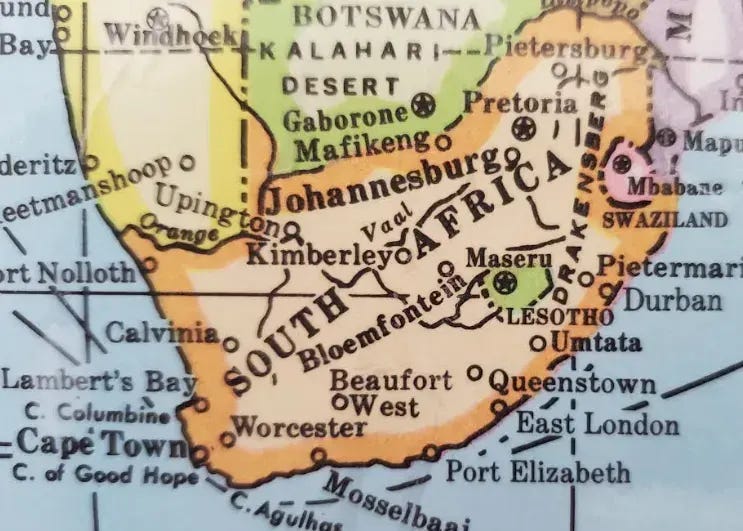
The National Institute for Communicable Diseases (NICD) has informed the Department of Health of positive detection of two different polio virus (VDPV3 and nOPV2-L) strains from wastewater sampled from a wastewater treatment plant in Cape Town, Western Cape.
This detection was part of the NICD`s routine environmental and wastewater testing to conduct proactive, population-wide disease tracking. This entails analysing municipal sewage and water resources to detect emerging outbreaks and viral variants before clinical cases appear.
These detections are called “vaccine events” because no actual cases of virus have been detected in a human being. These events need a public health response, are not high risk, and no additional vaccination campaign is required.
Polio is a vaccine-preventable disease, and South Africa was officially certified poliofree by the World Health Organization’s African Regional Certification Commission (ARCC) in September 2019.
This suggests that these viruses detected in wastewater are likely from imported cases of people vaccinated with different vaccines from those used in South Africa. This does not translate to an outbreak.
The Department working closely with the NICD, has activated appropriate health response activities including strengthening surveillance and increasing frequency of environmental sampling of wastewater. South Africa continues to maintain outbreak preparedness plans, especially given the sporadic outbreaks of this disease in other countries and cross border movements.
While there is no need for the public to be concerned, members of the public are urged to remain vigilant and ensure timely reporting of any suspected symptoms of polio to the nearest healthcare provider.