


The Centers for Disease Control and Prevention (CDC) issued a travel notice (Level 2 - Practice Enhanced Precautions) for Suriname, on the northeastern coast of South America, because of an ongoing chikungunya outbreak.
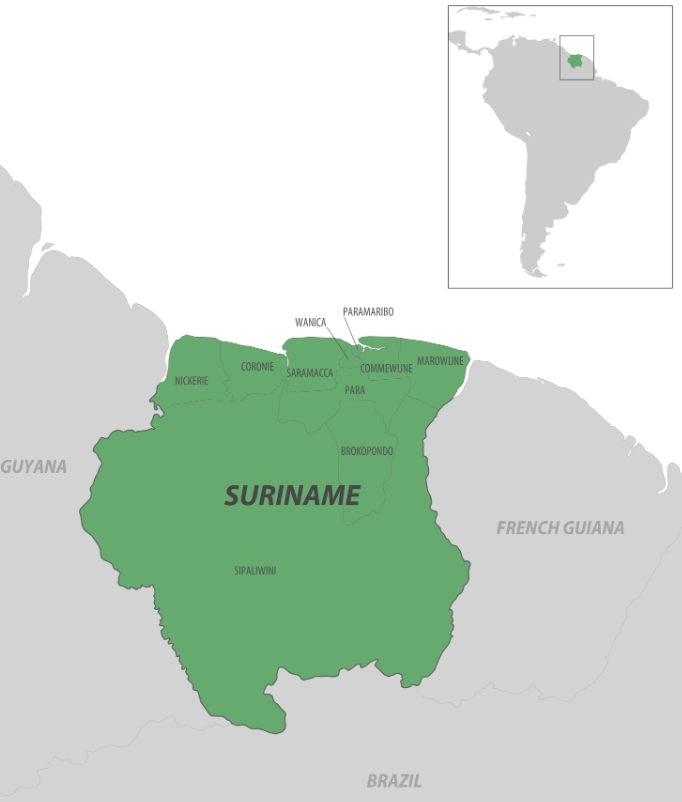
According to the Pan American Health Organization (PAHO), Suriname has reported 137 total chikungunya cases in January 2026.
Chikungunya disease is caused by the chikungunya virus and is spread to humans through mosquito bites.
CDC says you can protect yourself by preventing mosquito bites, which includes using insect repellent, wearing long-sleeved shirts and pants, and staying in places with air conditioning or that have screens on the windows and doors.
Vaccination is recommended for travelers who are visiting an area with a chikungunya outbreak.
In addition, If you are pregnant, reconsider travel to the affected areas, particularly if you are close to delivering your baby. Mothers infected around the time of delivery can pass the virus to their baby before or during delivery. Newborns infected in this way or by a mosquito bite are at risk for severe illness, including poor long-term outcomes.
In general, vaccination against chikungunya should be deferred until after delivery. However, when the risk of infection is high and exposure cannot be avoided, pregnant travelers should discuss with their healthcare provider the potential risks (to themselves and their babies) of chikungunya virus infection and the potential benefits and risks of vaccination so that vaccination can be considered.
Most people infected with chikungunya virus develop some symptoms. Symptoms of chikungunya usually begin 3–7 days after a bite by an infected mosquito. The most common symptoms are fever and joint pain. Other symptoms may include headache, muscle pain, joint swelling, or rash. Most people get better within a week; however, some can have severe joint pain for months to years following acute illness.
People at risk for more severe disease include newborns infected around the time of birth, older adults (65 years or older), and people with medical conditions such as diabetes or heart disease. Death from chikungunya is rare.
There is no specific treatment for chikungunya.
Seek medical care if you develop fever, joint pain, headache, muscle pain, joint swelling, or rash, during or after travel.
That map is incorrect. Suriname has 2 disputed areas, this map completely fails to acknowledge any dispute exist. this is grossly misleading