


According to the information from the Guangdong Provincial Disease Control and Prevention Administration, in the past week (August 3 to 9), there were 1,387 new chikungunya cases in Guangdong, a significant decrease compared to the previous two weeks, which reported 2,892 cases (July 27 to August 2) and 2,940 cases (July 20 to 26) respectively.
On July 9, 2025 an outbreak of chikungunya fever in Foshan City of Guangdong province China sparked widespread public concern. To date, approximately 8,000 cases have been reported.
The outbreak is believed to have originated from local transmission linked to an imported case, with rapid escalation following the initial detection.
As of 26 July, 4,824 confirmed cases had been reported across 12 prefecture-level cities in Guangdong, with 98.5% occurring in Foshan and 1.5% distributed among the other eleven prefectures. The majority of cases were concentrated in Shunde District of Foshan City, which accounted for 4,208 cases (87.2% of all provincial cases).The majority of cases occurred among adults aged 15–64 years (66.9%), followed by older adults aged 65 and above (19.5%), school-aged children 5–14 years (11.3%), and children under 5 years (2.3%).
Chikungunya epidemic risk: A call to action
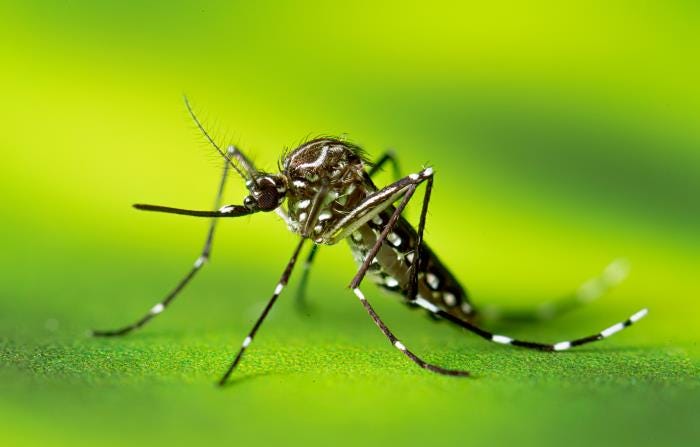
Chikungunya fever (CF) is caused by chikungunya virus (CHIKV), which is transmitted to humans through the bites of infected female Aedes mosquitoes. CHIKV has been documented in over 110 countries across Asia, Africa, Europe, and the Americas. China reported its first imported case of CF in 2008. Between 2010 and 2019, local outbreaks resulting from imported cases were documented in Guangdong, Zhejiang, and Yunnan provinces.
The Health authorities have issued comprehensive guidance to the public in response to the chikungunya outbreak with key measures including eliminating mosquito breeding sites by removing stagnant water, encouraging the use of mosquito repellents, nets, and protective clothing, and promoting public participation in clean-up efforts. Residents are advised to stay vigilant, especially in high-risk areas, and seek prompt medical attention if symptoms like fever, rash, or joint pain develop. In affected regions such as Foshan, authorities have implemented strict controls, including fines for failing to eliminate standing water, drone surveillance, and medication purchase monitoring. Travelers returning from outbreak areas are urged to continue mosquito precautions for 14 days and report any symptoms immediately.