


King County Public Health (KCPH) reports the following on an investigation into a Cryptosporidium outbreak in Bothell, WA, a part of the Seattle metropolitan area.
Fourteen people reported becoming sick after swimming in the McMenamins pool in Bothell on August 29 or August 30, 2026. They reported symptoms such as nausea, diarrhea, abdominal cramps, and fever.
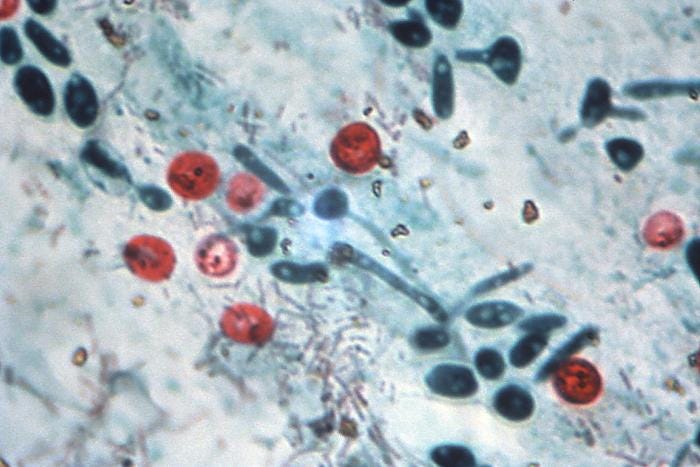
Laboratory testing was performed for five individuals who were exhibiting symptoms after spending time in the McMenamins pool on August 29, 2026 or August 30, 2026. Four were diagnosed with Cryptosporidium.
Public Health suspect this illness spread because someone infected with Cryptosporidium spent time in the pool and spread germs that infected other people.
They note the best way to prevent illness is for people to stay out of pools if they have had diarrhea or vomiting in the past two weeks. People should also shower with soap before getting into a pool.
Public Health determined that the pool at McMenamins is well-maintained and the facility follows King County’s health and safety requirements. Even in a very well-maintained swimming pool, Cryptosporidium is very resistant to chlorine, so if someone infected with Cryptosporidium uses the pool, the parasite can survive for several days.
Cryptosporidiosis is a diarrheal disease caused by the Cryptosporidium parvum parasite, also referred to as “crypto.” Crypto lives in the intestine of infected animals and humans and is passed through stool.
It spreads when someone comes into contact with infected feces and then touches their mouth, usually with unwashed hands. In addition, Crypto is spread by swallowing water that has been contaminated with poop containing the parasite.
Some people with cryptosporidiosis do not have symptoms, but most people will have watery diarrhea. Other symptoms can include fever, nausea, vomiting, belly pain, and weight loss. Symptoms usually begin two to 10 days after becoming infected and can last one to two weeks.
Most people with healthy immune systems will recover without treatment. Dehydration, caused by diarrhea, is the most common complication.
If you like the reporting on Outbreak News Today, please consider a paid subscription for $5/month or $30 a year. Help support the cause of this niche journalism. It is appreciated.