


In a follow-up on the chikungunya outbreak in French Guiana, Santé Publique France reports since the first confirmed case of chikungunya was detected in late January, 621 cases have been confirmed in the country, including 437 in the West Coast region (70%), which remains an epidemic.
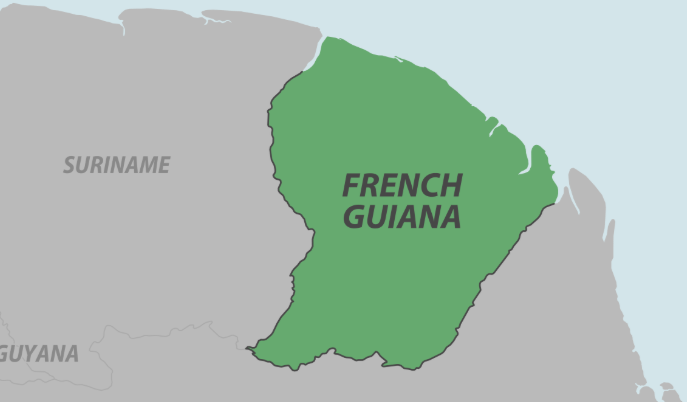
The virus appears to be circulating more widely in the territory, particularly in the Savanes and Cayenne Island regions, both experiencing outbreaks, and in the Maroni region, which is still experiencing sporadic transmission.
The Interior, East Interior, and Oyapock regions remain under epidemiological surveillance.
Ebola, screwworm, measles and more: Outbreak News This Week
Chikungunya is a viral disease transmitted to humans through by mosquitoes infected with the chikungunya virus. The mosquitoes involved in transmission are Aedes aegypti and Aedes albopictus.
The most common symptom is an abrupt onset of fever, often accompanied by joint pain. Other symptoms include muscle pain, headache, nausea, fatigue, and rash. Severe joint pain usually lasts a few days but can persist for months or even years. Serious complications are uncommon, but atypical severe cases can cause long-term symptoms and even death, especially in older people and in children under one year old.
There is no specific treatment for chikungunya.