


The Honduras Ministry of Health reports the confirmation of the first imported case of measles in the country.
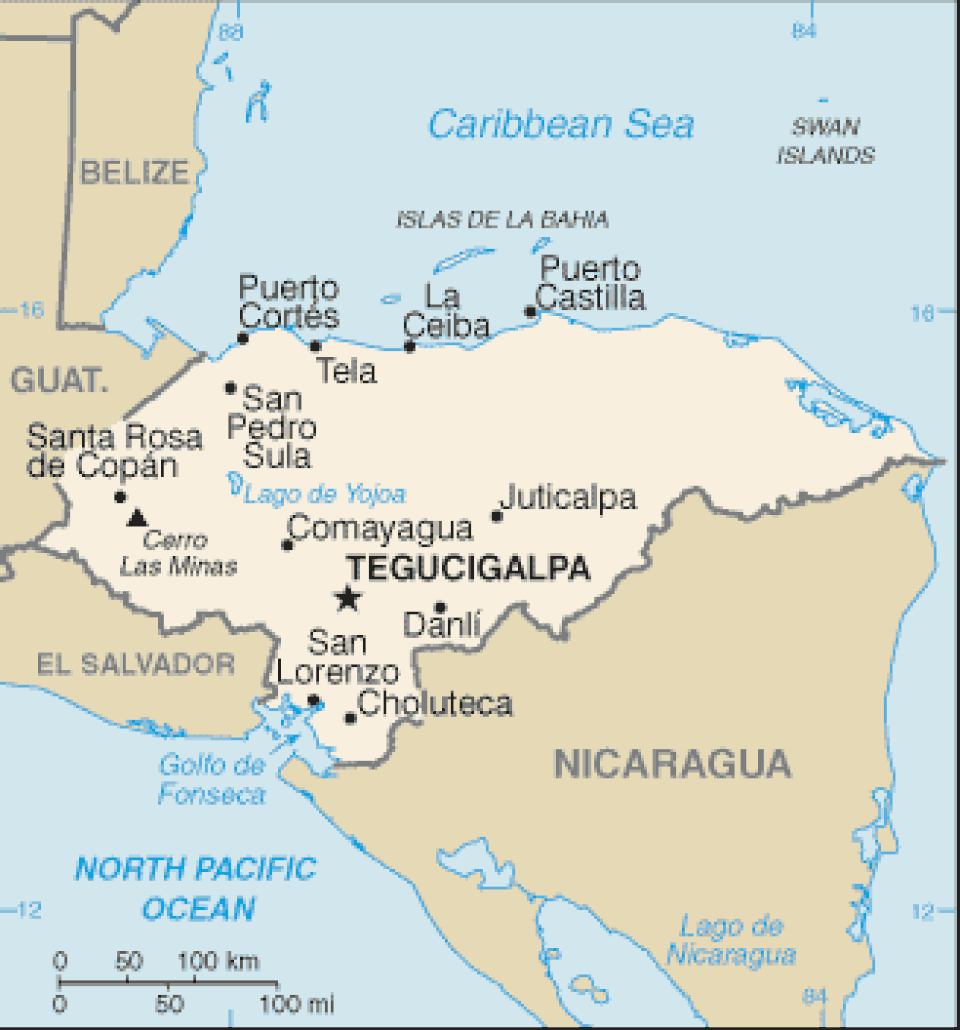
The case involves a 40-year-old Honduran male construction worker who entered the country on May 19th through the Agua Caliente border crossing. He was identified at the land border crossing and presented with fever, cough, conjunctivitis, joint pain, and a skin rash during his medical evaluation. According to the epidemiological investigation, the patient had resided for the past six months in Santa Elena de la Cruz, Petén, Guatemala, a country currently experiencing active measles transmission.
Since the World Health Organization issued an epidemiological alert for measles cases nationwide in 2025, epidemiological surveillance and rapid response teams in health regions have been activated to identify suspected cases, primarily at points of entry. In this instance, the Ocotepeque Health Region activated the corresponding protocols for contact tracing and follow-up, community monitoring, and strengthening vaccination efforts in at-risk areas, with the aim of preventing the spread of the disease.
Measles is a highly contagious viral disease transmitted through respiratory droplets when coughing, sneezing, or talking. It can cause serious complications, especially in children under five, unvaccinated older adults, pregnant women, and people with weakened immune systems.
The Ministry of Health is calling on the public to check and complete their vaccination schedules, especially the MMR (Measles, Mumps and Rubella) vaccine, in children under five years of age and people traveling to countries with virus circulation.
It is also recommended to go immediately to the nearest health facility if you experience symptoms such as: high fever, skin rashes, cough, nasal congestion, and red eyes.
The Ministry of Health maintains constant surveillance at border crossings and health facilities throughout the country, reiterating its commitment to protecting the health of the Honduran population through timely prevention and epidemiological control measures.
Vaccination is the most effective measure to prevent measles; the public is urged to stay informed through official channels of the Ministry of Health to avoid rumors and misinformation.