


Hong Kong health officials reported an additional mpox case in a 29-year-old man who developed a papule over his buttock on September 28, followed by rashes over his limbs and buttock, along with a fever and swollen lymph nodes.
According to information provided by the patient, he had high-risk sexual exposure with a man in Hong Kong during the incubation period. The CHP is continuing its epidemiological investigation of the case.
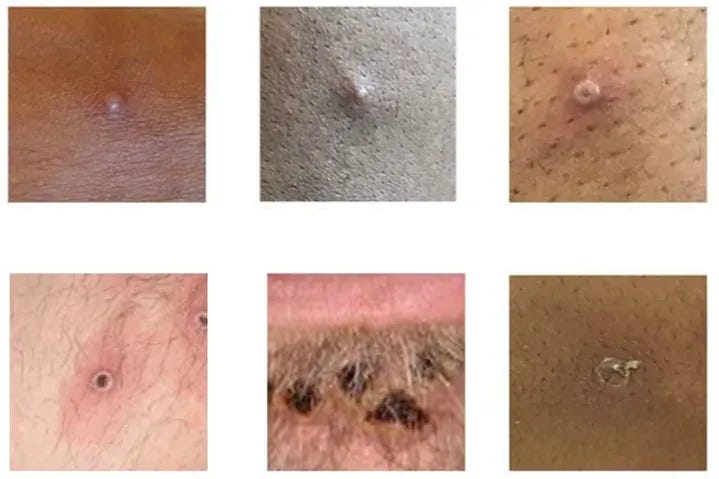
As of October 10, 30 cases have been recorded to date in 2026, including 23 local cases and seven imported cases. Since August, there have been 21 new cases, accounting for 70 per cent of the total number of cases this year.
Epidemiological investigations showed that all 21 cases identified since August reported engaging in high-risk sexual behaviors during the incubation period, including having sex with male strangers or multiple partners, and having sex without a condom. Most of the patients had not received the Mpox vaccination.
The Centre for Health Protection’s (CHP) Public Health Laboratory Services Branch (PHLSB) conducted genetic analysis of the virus and found that some cases had identical genetic sequences. This suggests that the cases may have shared a common source of infection, with multiple transmission chains existing among men who have sex with men population.
CHP's epidemiological investigations showed that patients more frequently used specific dating apps to find casual sexual partners.
Mpox vaccine can prevent infection and severe disease. Since late September, in addition to regular vaccination venues, the CHP has set up an additional Mpox vaccination centre at the CHP Building, and has collaborated with three NGOs (namely Community Health Organisation for Intervention, Care and Empowerment; Hong Kong AIDS Foundation; and Hong Kong Christian Service) to provide outreach vaccination services. Together with the various existing vaccination venues, the CHP has successfully administered the Mpox vaccine to approximately 360 high-risk individuals over the past two weeks.
Mpox is not transmitted through respiratory droplets or aerosols in general, and transmission would not occur through social contact. The CHP reminds the public, especially those at higher risk of exposure, to take precautions and avoid close physical contact with persons or animals suspected of being infected. They should seek medical attention as soon as possible if they experience relevant symptoms, including rash, fever, chills, swollen lymph nodes, exhaustion, muscle pain, and severe headaches. They should not engage in activities with others that may involve contact with skin rash or body fluids.