


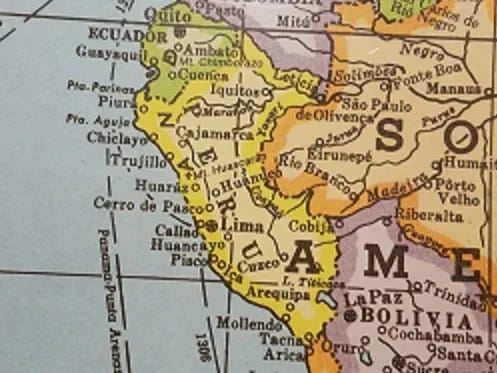
The rise in leptospirosis cases in the Tumbes department is sparking concern among health authorities and the general population. The most recent reports from the Regional Health Directorate (DIRESA) indicate a sustained increase in infections amidst a scenario characterized by constant rainfall, accumulated waste, and failures in the sewage system.
The spread of the disease is occurring in parallel with environmental conditions that favor its transmission. Stagnant water, collapsed drains, and the presence of rodents create a high-risk environment that necessitates a reinforcement of surveillance and control measures. In this context, health teams are intensifying case detection and follow-up efforts in the areas with the highest incidence.
The situation has also been compounded by the death of an 11-year-old minor, which has heightened the health alert level. According to official information, epidemiological teams have intervened in the victim’s immediate surroundings to carry out control and disinfection measures. Authorities continue to emphasize the need for a coordinated, cross-sectoral response to contain the outbreak.
According to DIRESA Tumbes, 82 cases of leptospirosis have been recorded—48 confirmed and 34 probable.
The geographical distribution of cases reveals a higher concentration in the city center of Tumbes and in the province of Zarumilla. These areas coincide with locations where persistent issues regarding solid waste management and urban drainage have been reported.
The Peru Ministry of Health says With the aim of preventing the spread of leptospirosis, is calling on the population to adopt preventive measures, especially in areas exposed to heavy rains and flooding.
Subscribe to Outbreak News TV on YouTube
Leptospirosis is an infectious disease transmitted by bacteria present in the urine of infected animals, primarily rodents. People can become infected through contact with contaminated water or soil, which poses a greater risk during periods of standing water due to rain.
Identify these symptoms:
· Fever
• Intense muscle pain, mainly in the lower back and legs
· Headache
• Nausea, vomiting, and diarrhea
• Red eyes
This disease can worsen if it is not treated in time.
Remember to follow these prevention recommendations:
• Avoid contact with standing water or flooding; if necessary, wear rubber boots.
• Wash your hands frequently.
• Store food properly and wash it.
· Always drink boiled water.
The public is urged not to self-medicate and to go to the nearest health facility if symptoms appear.