


From May 1 to July 14, 2026, 307 cases of cyclosporiasis and 13 hospitalizations have been reported in North Carolina.
Although a single product has not been identified as the source of the cases in North Carolina, the state De[artment of Health and Human Services (NCDHHS) is working with local partners to keep residents informed.
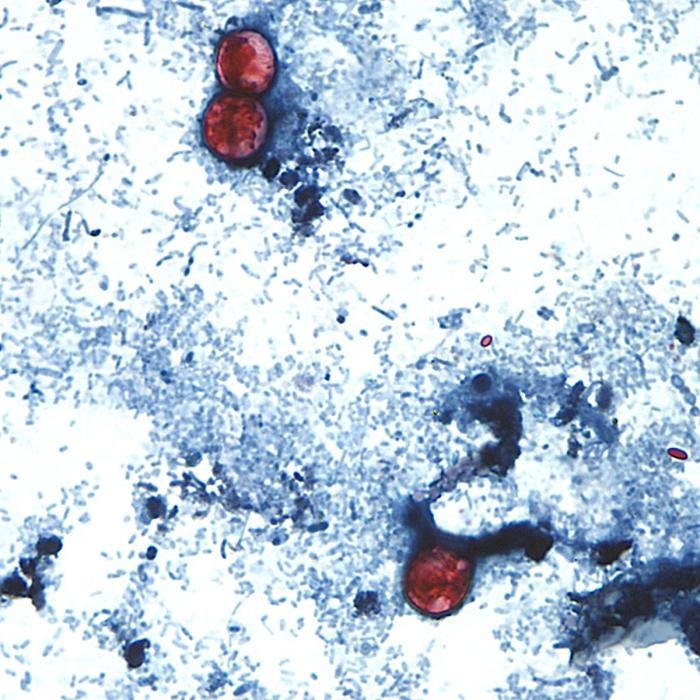
Public health investigations are ongoing to identify possible sources of exposure in North Carolina. To date, the increase in cases in North Carolina has not been linked to outbreaks in other states. Most cases in North Carolina do not yet have a common source associated with them.
Most foodborne illnesses can be prevented by pasteurization or by cooking foods to 165 degrees Fahrenheit. However, cyclospora is often associated with fresh herbs and produce that are served uncooked, like parsley or cilantro, making prevention much more challenging. Cyclospora can survive the trip from the field where produce is grown, to the plate, particularly if the produce is not cooked or cleaned. For this reason, it is imperative to clean fresh produce as indicated by the FDA below.
The FDA has the following tips about handling and cleaning fresh produce:
Wash your hands for 20 seconds with warm water and soap before and after preparing fresh produce.
If damage or bruising occurs before eating or handling, cut away the damaged or bruised areas before preparing or eating.
Rinse produce BEFORE you peel it, so dirt and bacteria aren’t transferred from the knife onto the fruit or vegetable.
Gently rub produce while holding under plain running water. There’s no need to use soap or a produce wash.
Use a clean vegetable brush to scrub firm produce, such as melons and cucumbers.
Dry produce with a clean cloth or paper towel to further reduce bacteria that may be present.
Remove the outermost leaves of a head of lettuce or cabbage.
Cyclosporiasis is an intestinal illness caused by a parasite that is too small to be seen without a microscope. People can get cyclosporiasis by consuming food or water contaminated with the parasite. People traveling to countries where the disease is common may be at increased risk for infection.
The time between becoming infected and becoming sick is usually about one week. The parasite usually causes watery diarrhea, with frequent, sometimes explosive, bowel movements. Other common symptoms include loss of appetite, weight loss, stomach cramps/pain, bloating, increased gas, nausea and fatigue. Vomiting, body aches, headache, fever, and other flu-like symptoms may be noted. Some people who are infected do not have any symptoms. The disease is usually treated with certain antibiotics.