


The Philadelphia Department of Public Health (PDPH) issued an advisory to healthcare facilities, providers, and laboratories concerning an increase of Candida auris, also known as Candidozyma auris, in the city and to take action to contain its spread.
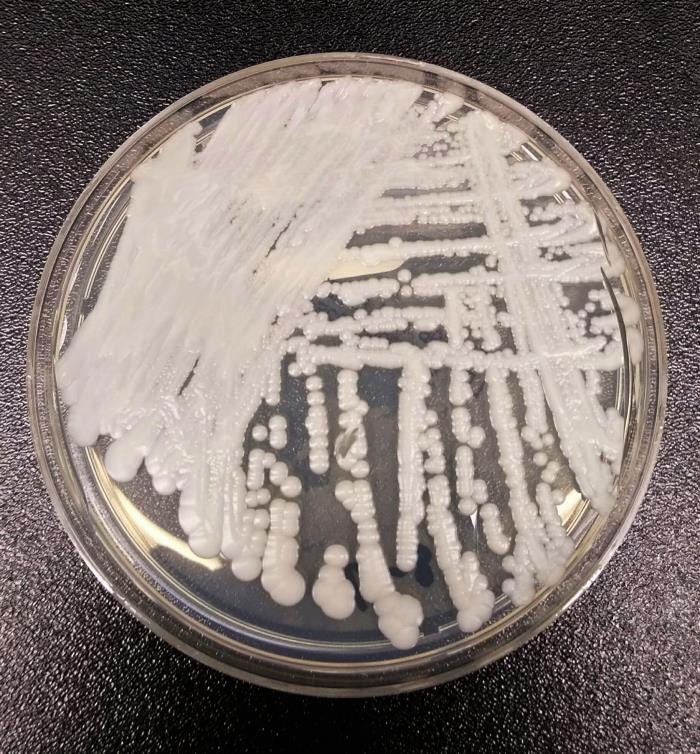
In March 2020, the first confirmed case of C. auris in Pennsylvania was detected in a patient admitted to a Philadelphia short-term acute care hospital. Since then, a total of 511 C. auris cases have been reported to PDPH, including 204 clinical infection cases and 307 colonization cases.
In both 2024 and 2025, there was a significant increase in the number of C. auris cases reported to PDPH. A total of 103 C. auris cases were reported in 2024 and 221 in 2025, representing increases of 129% and 115% compared to the previous year, respectively.
The increased volume may be partially explained by increased C. auris screening capacity in Philadelphia healthcare facilities, including admission screening programs in some high-risk facilities and hospital units, but that is not the only underlying cause. Clinical infection cases have increased as well, by 117% in 2024 and by 74% in 2025, demonstrating that the observed increases are not solely driven by increased detections of C. auris colonization but reflect an overall increase in C. auris prevalence among patients seeking care at Philadelphia healthcare facilities.
Cases have been detected at acute care hospitals, long-term acute care hospitals (LTACHs), and ventilator-capable skilled nursing facilities (vSNFs), in both colonized and clinically ill persons. C. auris has been detected in all LTACHs and vSNFs serving high-risk patients in the Philadelphia metropolitan area, and many of these facilities have experienced further transmission.
Subscribe to Outbreak News TV on YouTube
C. auris is an emerging fungus that presents a serious global health threat for the following reasons:
• It is often multidrug-resistant, meaning that it is resistant to multiple antifungal drugs commonly used to treat Candida infections, resulting in significant morbidity and mortality in affected patients. Some strains are resistant to all three available antifungal classes.
• Both patients who are colonized and patients who are infected spread C. auris onto surfaces around them and to other patients.
• C. auris persists on surfaces for many months and is not killed by many common disinfectants.
• It spreads easily in healthcare settings and can cause outbreaks, particularly in vSNFs and LTACHs. For this reason, it is important to quickly identify C. auris so that healthcare facilities can take appropriate precautions to stop its spread.