


The California Department of Public Health (CDPH) issued a health advisory last week concerning the rising number of silicosis cases among countertop workers and mandatory reporting requirements for suspected or confirmed cases.
Since 2019, CDPH has conducted statewide multi-source surveillance for silicosis and has identified 432 cases of confirmed silicosis associated with engineered stone as of November 13, 2025. At least 25 California workers have died, many of whom were in their 30s and 40s. At least 48 California workers have received lung transplants.
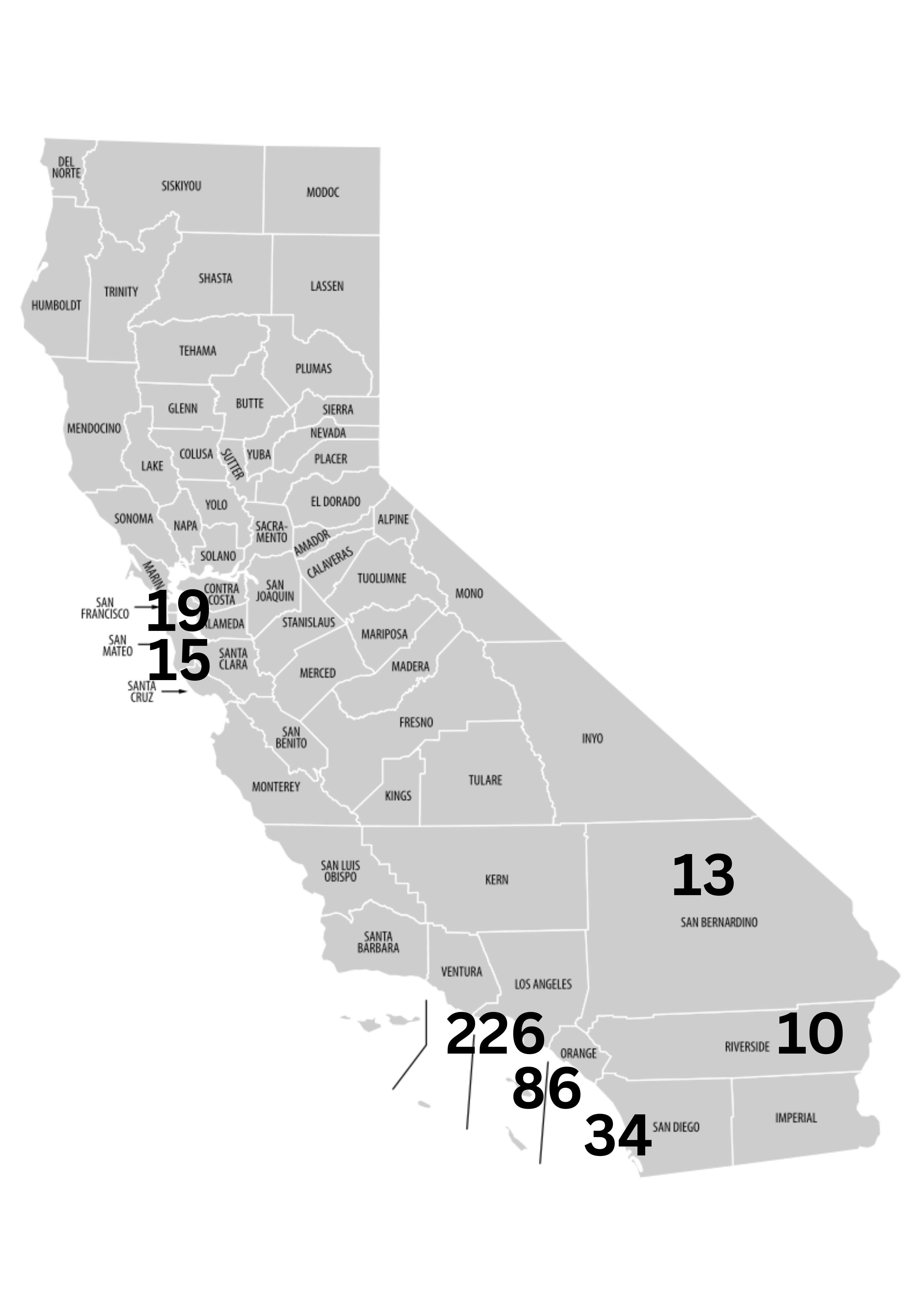
Silicosis: What is it and how common is it in the US?
The workers with silicosis identified so far in California are characterized by:
History of cutting and finishing stone countertops, particularly engineered stone or “quartz countertops”
Relatively young age (median age at diagnosis is 46 and median age of death is 48)
Primarily immigrant men, predominantly from Mexico and Central America
Symptoms of cough and shortness of breath, but can also be asymptomatic
Under- or uninsured, often with initial presentation to the emergency department or urgent care
Delayed diagnosis
Common alternative initial diagnoses: pulmonary infections (pneumonia, tuberculosis (TB), non-TB mycobacterial infections), asthma, sarcoidosis
Accelerated disease course, including severe impairment and need for supplemental oxygen, referral for lung transplantation, and/or death, sometimes within several years of diagnosis.
While silicosis is a serious disease, it is preventable. The Division of Occupational Safety and Health (Cal/OSHA) requires that employers control silica dust, including applying wet methods when cutting engineered stone, conducting prompt dust clean-up, having employees use powered air-purifying respirators (PAPRs), and conducting regular silica dust monitoring. However, it is very difficult for most employers to implement the dust control methods needed to protect workers because of the expense and technical expertise necessary to acquire and maintain sophisticated equipment. Furthermore, even when shops use mandated controls like wet methods, they are not always effective at lowering silica exposures enough to prevent disease.
Given these challenges to controlling silica dust from engineered stone, in July 2024, Australia became the first country to ban the use of engineered stone after hundreds of countertop workers there were found to have silicosis.
As of June 2025, silicosis is a reportable disease (PDF) in California. Providers should report identified or suspected cases to the local health department of the jurisdiction where the patient resides, which will report cases to CDPH.