


Health officials in the Spanish autonomous community of Castile and León reported last month on a confirmed locally acquired Crimean-Congo Hemorrhagic Fever (CCHF) case in a 68-year-old man in Salamanca province.
The patient was treated at the Salamanca University Hospital Complex (CAUSA) with symptoms consistent with symptoms consistent with the disease after suffering a tick bite and was subsequently transferred to the Gómez Ulla Hospital in Madrid.
The National Center of Microbiology in Majadahonda (Madrid), of the Carlos III Health Institute confirmed that it is an infection by the Crimean-Congo hemorrhagic fever virus.
Crimean-Congo hemorrhagic fever 101
The Epidemiology Section of the Territorial Health Service of the Regional Government of Castile and León in the province of Salamanca, in collaboration with healthcare professionals from the CAUSA (Center for Advanced Studies of the University of Salamanca), identified the contacts of the affected person to advise them on the necessary follow-up.
Crimean-Congo hemorrhagic fever is a widespread disease caused by a tick-borne virus (Nairovirus) of the Bunyaviridae family. The CCHF virus causes severe viral hemorrhagic fever outbreaks, with a case fatality rate of 10–40%.
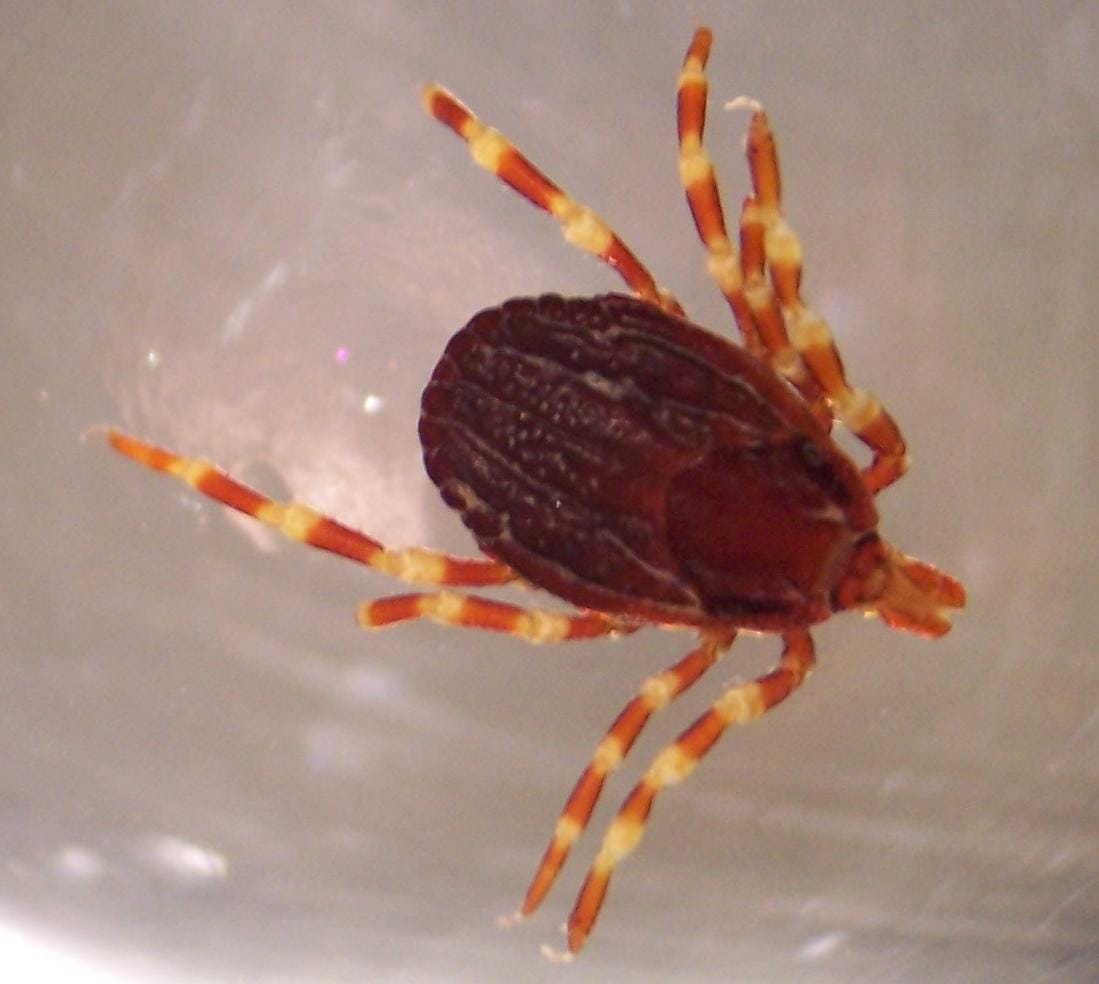
Animals become infected by the bite of infected ticks and the virus remains in their bloodstream for about one week after infection, allowing the tick-animal-tick cycle to continue when another tick bites. Although a number of tick genera are capable of becoming infected with CCHF virus, ticks of the genus Hyalomma are the principal vector.
Subscribe to Outbreak News TV on YouTube
In Spain, CCHF virus is transmitted to humans mainly by ticks of the genus Hyalomma. While Hyalomma lusitanicum plays a key role in virus maintenance and transmission dynamics, Hyalomma marginatum is generally considered to be the principal species involved in transmission to humans. Hyalomma marginatum is widely present in southern and eastern Europe and Hyalomma lusitanicum is present in parts of southern Europe.
Regarding the prevention of tick bites, health authorities emphasize the importance of wearing appropriate clothing and footwear when going into the countryside, staying on designated paths, and using insect repellent for both people and pets. They also stress that any ticks that may have attached themselves should be removed as soon as possible and properly, preferably by healthcare professionals.
Other news from Europe:
England measles cases now 883, 3 deaths reported in 2026