


Health officials in Sri Lanka report additional dengue fever cases in the country. In a follow-up on a report last week, the National Dengue Control Unit (NDCU) reports 29,589 dengue infections as of May 18.
An additional fatality was reported, bringing the dengue death toll to 15.
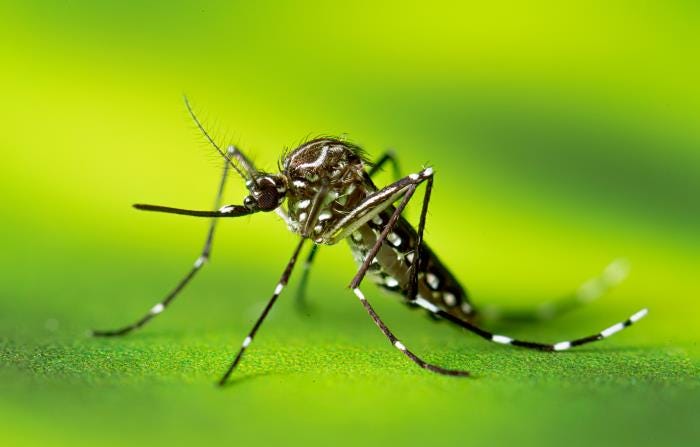
The Western Province has reported the highest number of cases, followed by the Southern and Sabaragamuwa provinces. Dengue infections have been reported in all 25 districts nationwide, with the highest numbers recorded in Colombo, Gampaha, Ratnapura, Matara, Galle, Kalutara and Kandy districts.
Dengue is a viral infection transmitted by the bite of an infected mosquito. There are four closely related but antigenically different serotypes of the virus that can cause dengue (DEN1, DEN 2, DEN 3, DEN 4).
Subscribe to Outbreak News TV on YouTube
Dengue Fever (DF) – marked by an onset of sudden high fever, severe headache, pain behind the eyes, and pain in muscles and joints. Some may also have a rash and varying degree of bleeding from various parts of the body (including nose, mouth and gums or skin bruising).Dengue has a wide spectrum of infection outcome (asymptomatic to symptomatic). Symptomatic illness can vary from dengue fever (DF) to the more serious dengue hemorrhagic fever (DHF).
Dengue Hemorrhagic Fever (DHF) – is a more severe form, seen only in a small proportion of those infected. DHF is a stereotypic illness characterized by 3 phases; febrile phase with high continuous fever usually lasting for less than 7 days; critical phase (plasma leaking) lasting 1-2 days usually apparent when fever comes down, leading to shock if not detected and treated early; convalescence phase lasting 2-5 days with improvement of appetite, bradycardia (slow heart rate), convalescent rash (white patches in red background), often accompanied by generalized itching (more intense in palms and soles), and diuresis (increase urine output).
Dengue Shock Syndrome (DSS) — Shock syndrome is a dangerous complication of dengue infection and is associated with high mortality. Severe dengue occurs as a result of secondary infection with a different virus serotype. Increased vascular permeability, together with myocardial dysfunction and dehydration, contribute to the development of shock, with resultant multiorgan failure.