


The Taiwan Centers for Disease Control (CDC) announced this week a case of Severe Fever with Thrombocytopenia Syndrome (SFTS) in a man in his 70s from northern Taiwan with no recent history of overseas travel.
His main activity area is near his home. He developed symptoms of general weakness at the end of February this year and went to the emergency room the next day. He was hospitalized due to fever and low platelet count. On March 2, SFTS was reported and confirmed as a case. The patient was discharged on March 16.
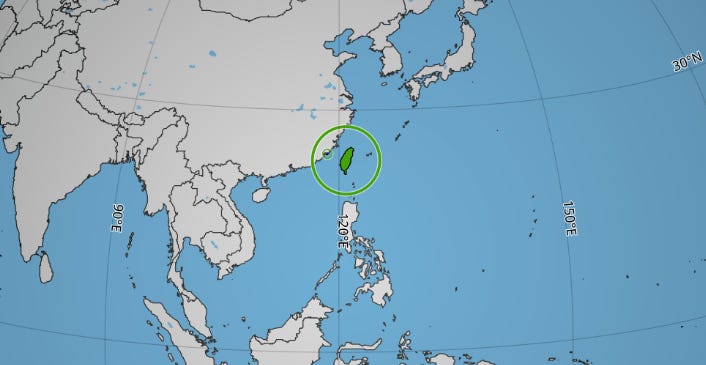
The CDC stated that health authorities have launched various investigations and prevention measures for this case.
Although no ticks were found inside the residence or on the pets, 16 ticks were collected outside the residence, and traces of rat activity were found in the vegetable garden. Forty-four rat traps were placed around the residence, but none were caught. The captured ticks were identified as Haemaphysalis species, but are not the primary vector for SFTS virus transmission (Haemaphysalis longicornis). Although the ticks tested negative for the virus, the risk of environmental infection cannot be ruled out.
Subscribe to Outbreak News TV on YouTube
Since the first locally transmitted case of SFTS in Taiwan in 2019, there have been a total of three locally transmitted confirmed cases to date (in 2019, 2022, and this year).
SFTS is primarily transmitted through the bite of ticks carrying the SFTS virus. While there have been reports of healthcare workers becoming infected through direct contact with patients' blood, bodily fluids, or respiratory droplets while caring for patients, these cases are extremely rare, indicating that tick bites remain the most common route of transmission. The incubation period for SFTS is approximately 7 to 14 days. After being bitten by a tick carrying the SFTS virus, most infected individuals experience fever, nausea, vomiting, loss of appetite, and decreased platelet and white blood cell counts. A small number of patients may develop multiple organ failure, with a mortality rate of approximately 5-15%. Currently, there are no antiviral drugs to treat SFTS, but the mortality rate can be reduced through aggressive supportive therapy.