


Between October 19 and 25 alone, Ho Chi Minh City officials reported 1,785 dengue cases, 9.7% above the average for the previous four weeks. The figures indicate that transmission is high, with the risk of further increases in the coming weeks.
Since the beginning of the year, Ho Chi Minh City has recorded more than 42,500 dengue cases and 11 deaths.
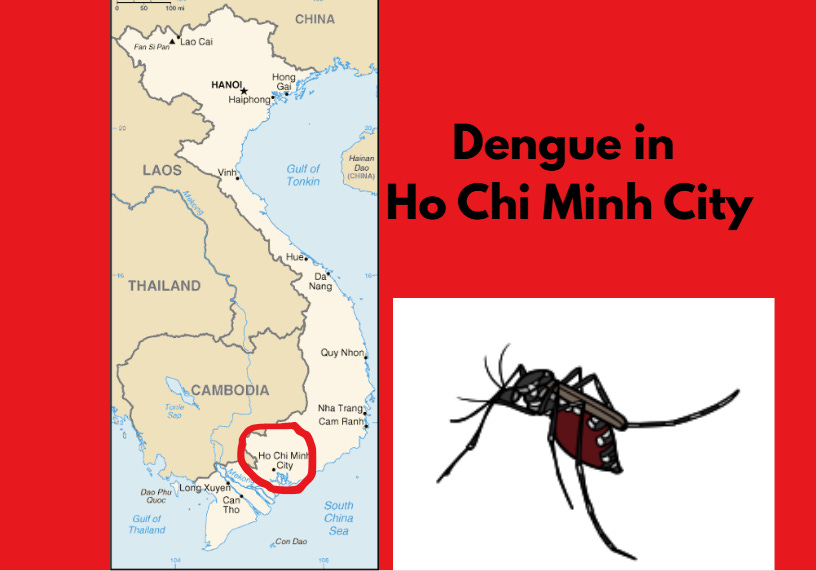
Health authorities have warned that rainy-season conditions favour the breeding and development of disease-carrying mosquitoes. Removing potential breeding sites, eliminating mosquito larvae and addressing high-risk areas in residential communities are therefore essential to curbing new infections.
Health authorities recommend that households spend around 10–15 minutes each week checking and cleaning their surroundings, keeping water containers tightly covered and removing bottles and other objects that can collect stagnant water. Areas where mosquitoes may breed should also be checked regularly.
Residents are advised to take precautions against mosquito bites and seek medical attention if they develop symptoms suggestive of dengue. Anyone with a fever should visit a healthcare facility for assessment and appropriate advice, rather than taking medication without medical guidance.
Dengue can become severe even after a patient’s fever begins to subside. Warning signs such as severe abdominal pain, persistent vomiting, unusual bleeding, lethargy or cold extremities require immediate medical attention.