


According to the Venezuela Ministry of Health, through October 4, 12 confirmed human cases of yellow fever have been recorded in Venezuela so far this year. The most recent case was reported during the first week of the month.
Among those affected, four individuals have died, representing a case fatality rate of 33.3%.
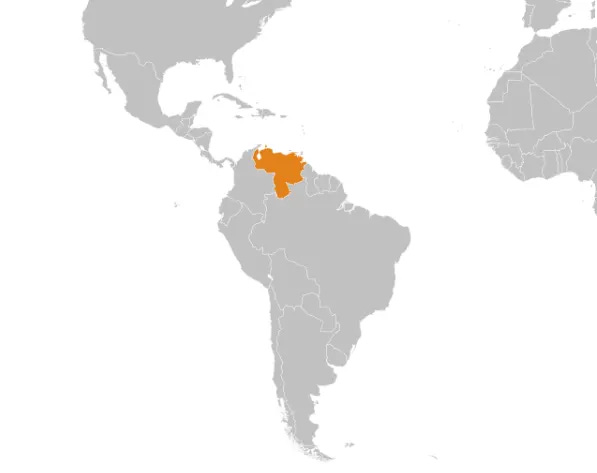
The infections are located in six specific states: Barinas (4 cases), Aragua (3 cases), Monagas (2 cases), Delta Amacuro (1 case), La Guaira (1 case), and Lara (1 case). Following an increase in yellow fever cases, surveillance for febrile, icteric, and hemorrhagic syndromes was intensified; 12,745 specialized laboratory tests were conducted at the ‘José Rafael Rangel Estrada’ National Institute of Hygiene.
A key factor for prevention is the monitoring of non-human primates, as they are the first to become infected in the jungle and serve as “nature’s alarms” regarding the circulation of the virus.
In 2026, up to epidemiological week (EW) 40, 51 disease events in non-human primates (epizootics) were reported across the three enzootic corridors identified in the country: the San Camilo jungle (Apure), the Southern Lake region, and the Guayana region.
The epicenter of viral activity among non-human primates is concentrated in the central-plains region, with Aragua (18 events) serving as the primary focus, followed by Guárico (13), Cojedes (9), Apure (5), Barinas (3), Portuguesa (1), Sucre (1), and Yaracuy (1).
Yellow fever is a severe viral disease with jaundice and hemorrhagic manifestations that is spread through the bites of infected mosquitoes.
Yellow fever vaccine is the best protection against this disease. Travelers to areas where vaccination is recommended should be vaccinated at least 10 days before travel. Preventing mosquito bites is also important.
Symptoms of yellow fever include fever, chills, headache, backache, and muscle aches, and develop 3–6 days after infection. About 15% of people infected with yellow fever virus will develop severe illness that can lead to liver disease, bleeding, shock, organ failure, yellowing skin and eyes (jaundice), and sometimes death.
Diagnosis is based on symptoms, laboratory testing, and travel history. There are no medications to treat or cure yellow fever.